
How Foundation Shifts Wreck Garage Door Stability (And What You Can Do About It)
I’ve seen more garage doors out of alignment from foundation shifts than from any other cause. The typical advice you hear about just tightening a bolt or lubricating tracks misses the real problem that often lies beneath your concrete slab or soil. Fixing garage door stability isn’t just about the door or opener—it’s about the ground it sits on.
I’ve been doing this long enough to know the difference — that context matters here. The stability of your garage door is a composite problem where soil conditions, foundation movement, and mechanical wear all interact in a way most guides don’t explain. Getting this wrong turns a straightforward garage door repair into a repeated headache or costly replacement.
Foundation shifts cause uneven settling that misaligns garage door tracks and warps the frame, leading to operational issues and compromised stability. To address this, it’s essential to inspect and repair foundation damage promptly, reinforce door supports, and realign or replace affected components to restore proper function.
The Part Most Companies Skip: Soil Impact on Garage Doors
Most companies tell you garage door alignment issues are purely mechanical — worn springs, bent tracks, or faulty openers. Here’s what I’ve actually found doing this work, day in and day out: the soil under and around your garage affects your entire door system far more than they admit.
Here’s the thing: In many neighborhoods around here, the soil expands and contracts dramatically with seasonal moisture changes. That moves your foundation unevenly, leading to subtle tilts or shifts that throw off your garage door’s stability. I’ve had calls where a homeowner tried multiple garage door repair services on the same alignment problem only to find a foundation issue was the underlying cause.
This is especially true in areas with clay-heavy soils or older developments where settling has been gradual but persistent. Even a small foundation shift can cause the tracks to go out of plumb, springs to wear unevenly, or sensors to misalign.
How to Spot Foundation Shift Garage Door Problems
So how do you know if your garage door problems are soil or foundation related? Here are the warning signs I look for when assessing a job:
- Doors that suddenly start scraping or catching on one side
- Visible gaps between the door and frame that grow over weeks or months
- Misaligned sensors or lights that won’t stay calibrated
- Repeated spring failures or uneven wear
- Cracks or shifts in the concrete slab where the door tracks are anchored
If you see these, it’s not just a garage door opener repair service you need — it’s a stability solution that factors in your foundation condition. This is where I often recommend combining garage door repair services with a professional foundation inspection.
Is It Safe to Try Fixing Garage Door Alignment Yourself?
I’ve helped plenty of homeowners tackle how to fix garage door alignment on their own. Basic things like tightening loose bolts or adjusting the track stops are fine for minor tweaks. But when the door is out of square because the foundation shifted, DIY attempts usually make it worse. I’ve seen people bend tracks trying to “force” alignment, which leads to expensive replacements.
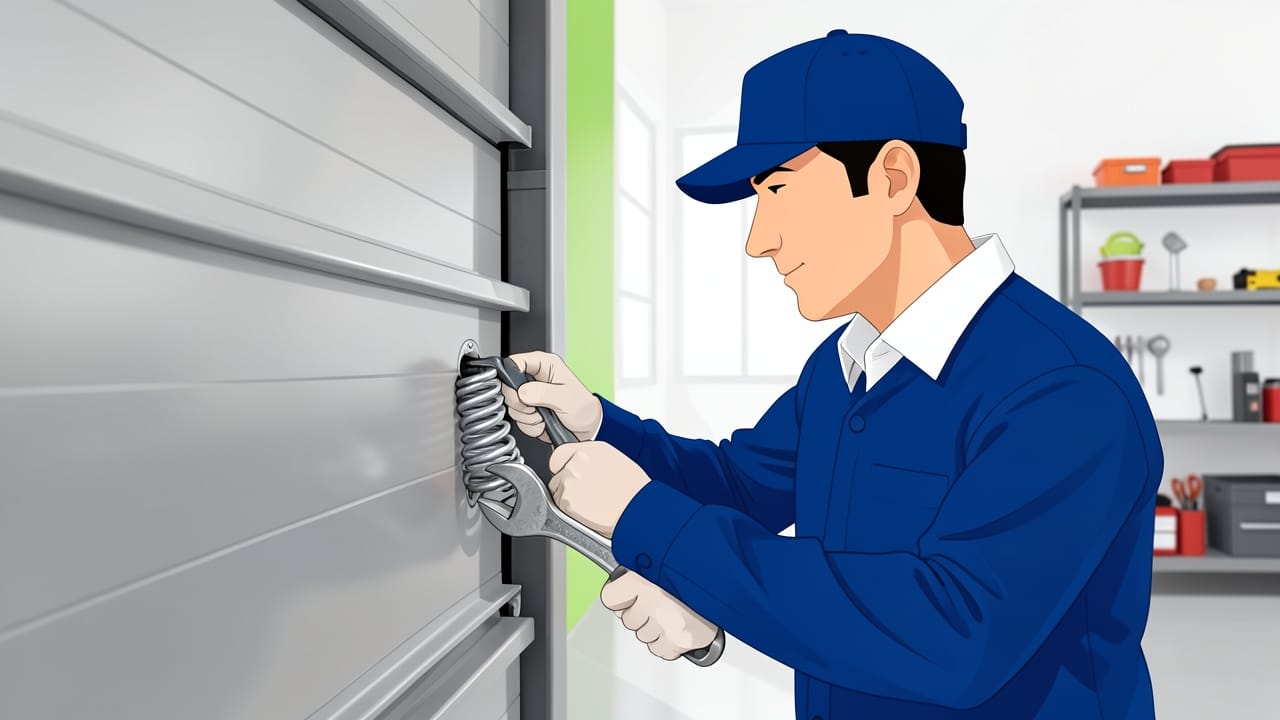
Garage doors hold a lot of tension. Springs store energy that can cause serious injury if mishandled. According to OSHA, overhead spring tension is a recognized workplace hazard for a reason. If you suspect foundation-related problems, get a pro involved. That said, you can safely check sensors and try basic troubleshooting. For example, garage door sensor troubleshooting often just requires cleaning dusty lenses or realigning the sensors, tasks I explain clearly to customers during service calls.
Local Soil Patterns Change What’s Needed for Stability Solutions
In this area, the seasonal swings between heavy rains and dry spells mean soil moisture varies widely. That’s why I always ask about recent weather patterns when diagnosing garage door stability issues. Soil that’s been saturated over a long rainy season can heave, pushing up parts of the foundation unevenly. Then, when it dries, it contracts and settles again.
This cycle causes foundation shift garage door problems that won’t show up in a quick inspection. I’ve had customers who lived here for decades and never realized their garage slabs moved an inch or more over a few years until the door started jamming. This is a key difference from dry-climate cities where soil movement is minimal.
Garage Door Maintenance Tips That Actually Extend Stability
Maintaining your garage door can’t just be about oiling springs and cleaning tracks if your door is fighting a moving foundation. That said, regular maintenance does help catch early signs of instability before total failure.
- Inspect the door frame and tracks monthly for gaps or bending.
- Check sensor alignment and clean lenses regularly; dusty sensors cause false readings.
- Listen for uneven noises when opening or closing—the springs or cables might be wearing unevenly.
- Keep drainage clear around your garage to prevent soil saturation near the foundation.
- Schedule a garage door safety inspection yearly to catch hidden dangers like frayed cables or worn springs.
I back all my work with a solid warranty on labor, which isn’t standard in this industry. If something isn’t right after I leave, I come back and fix it without fuss. Plus, I give free estimates on everything. If your door isn’t worth fixing or the foundation issues are too severe, I’ll tell you straight.
Emergency Garage Door Repair: When Stability Goes Critical
Garage door emergencies are often the culmination of ignored stability problems. A door that suddenly won’t open, or worst, closes unexpectedly due to spring failure or sensor malfunction, needs immediate attention. I’m usually available same-day for emergency garage door repair calls because these issues don’t wait.
Spring replacement is the number one emergency repair I handle. Many people don’t realize garage door springs don’t last forever—uneven tension caused by foundation shifts speeds up their failure. I’ve replaced more Clopay springs than any other brand around here, partly because that’s what local builders favored in the 90s.
Brands Matter: Why I Trust LiftMaster Openers for Stability
In my experience with LiftMaster openers, their belt-drive models hold up far better in our humidity than chain-drive options. They also provide more consistent force control, which is crucial when your door is fighting alignment issues caused by foundation movement. Cheaper openers don’t adjust well to uneven loads, which just worsens stability problems.
When I install or repair a garage door opener, I always check for sensor calibration and proper force settings to ensure the door doesn’t strain against misaligned tracks. This helps prevent premature wear and dangerous failures.
Signs You Need Garage Door Services: A Diagnostic Checklist
If you’re wondering how do I know if my garage door needs professional attention? here’s a quick checklist of common garage door problems I find often linked to stability issues:
- Door won’t close all the way or reverses unexpectedly
- Uneven gaps between the door and frame
- Door moves jerkily or gets stuck halfway
- Visible cracks or shifts in garage floor concrete
- Frequent sensor errors despite cleaning
- Springs or cables look worn, rusty, or broken
- Unusual noises during operation, especially grinding or popping
Most of these can be fixed with garage door repair services if caught early. However, if foundation shifts are involved, expect the job to require more than just parts replacement. The DASMA recommends that such situations include a thorough structural assessment before proceeding.
FAQ
What causes garage door alignment issues?
Beyond mechanical wear, foundation shifts, soil expansion or settling, and improper installation can cause alignment problems. Seasonal moisture changes heavily influence soil movement in many regions.
Is it safe to fix garage door springs myself?
No. Springs are under extreme tension and can cause serious injury. I handle spring replacement with OSHA safety guidelines in mind and recommend calling a licensed professional.
How often should I schedule a garage door safety inspection?
At least once a year. Regular inspections catch early signs of wear or stability problems before they escalate.
If you want to know more about spring failures, check out this detailed guide on common causes and repair methods for garage door spring failure. For a deeper dive into timing repairs in our climate, this post on best time to schedule garage door services is worth a look.
The short answer: garage door stability is more than just the door—it’s the foundation, soil, and environment all working together. Ignore soil impact, and you’ll keep paying for repairs that never last. Address it holistically, and you save money and headaches down the line.
0 Comments