
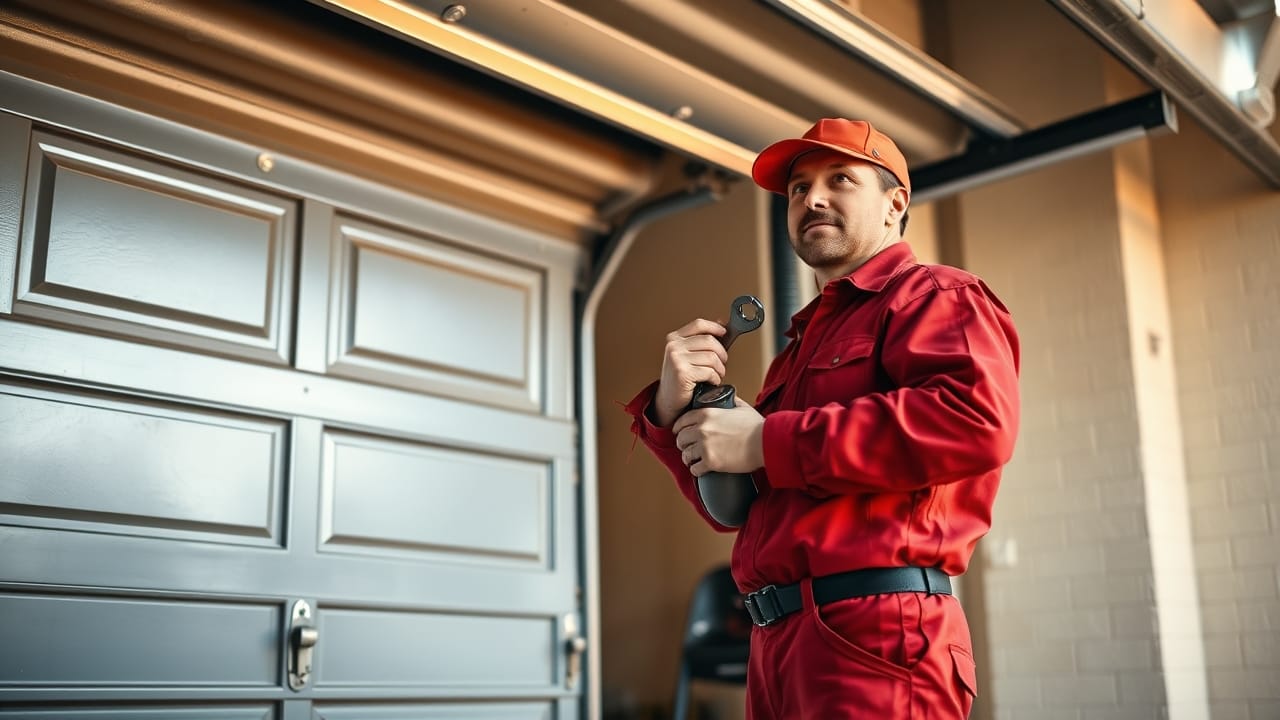
Garage Door Weatherproofing and Seal Replacement: What You Might Be Missing
After handling more than 2000 garage doors over the last 20 years, I can tell you exactly why the standard advice on sealing and weatherproofing these doors misses the mark — and it’s not what most guides say. Most homeowners focus on quick fixes like slap-on rubber strips or one-size-fits-all weatherstripping, hoping these will solve draft issues or energy waste. I’ve seen those shortcuts lead to recurring problems, extra costs, and frustration, especially here where temperature swings and humidity demand more durable solutions.
I’ve been licensed and insured for 20 years—so when I say I’ve seen this problem more times than I can count, it’s backed by hands-on experience in this market. This isn’t just about keeping bugs out or stopping wind; it’s about real energy savings and garage door longevity that most people overlook.
Garage door weatherproofing and seal replacement often overlook critical areas such as the door’s bottom seal, side seals, and top weatherstripping, which can lead to drafts, water leaks, and energy loss. Ensuring a comprehensive inspection and using high-quality, durable materials are essential for effective protection and long-term performance.
Why Quick Garage Door Weatherstrip Fixes Often Fail
Most companies tell you just to slap on any cheap garage door weatherstripping or replace the bottom seal with a generic rubber strip and call it a day. Here’s what I’ve actually found after 2000+ jobs: those quick fixes rarely last more than a season in places like Bakersfield or the Central Valley. The problem is that weatherstripping materials not rated for UV exposure or local temperature swings dry out, crack, and fall off.
I’ve stopped doing repairs with standard foam or vinyl weatherstripping. Those might seem like the “best garage door weatherstripping” at a glance, but real energy-efficient garage door seals require brands and materials made for sustained exposure. In my area, I prefer silicone-based rubber seals or reinforced vinyl from manufacturers like Clopay or Amarr because they hold up better over time. The DASMA recommends weatherstripping that can handle temperature fluctuations and sunlight, and in my experience, that’s the only way to avoid repeat visits.
Local Weather Patterns That Shape How I Handle Garage Door Seal Installation
Here in Bakersfield, summer heat hits the 100s regularly, while winter mornings dip close to freezing. Those swings wreck inferior weatherproofing. Humidity in spring and fall adds another wrinkle by softening some seals, making them sag or separate from the door’s frame. Because of this, I always recommend garage door bottom seal replacement with a product designed for this climate, not a generic strip you’d find at a big box store.
Also, local dust and fine sand get pushed into the weatherstripping, causing wear faster than in wetter climates. That’s why regular garage door weatherstrip maintenance tips are crucial here: I advise checking seals every six months for cracks, gaps, and wear. This type of garage door seal installation is different from what a contractor in Seattle or Miami might do. For instance, the garage door threshold and seal repair often involves resealing and refastening the bottom rubber strip to prevent dust buildup and maintain a tight gasket.
The Part Most Companies Skip: Proper Garage Door Insulation and Sealing
Honestly, a lot of places sell you on just replacing weatherstripping and call it energy efficient garage door sealing, but a drafty garage door weatherstrip fix only addresses part of the problem. From my direct observations, the door’s panels themselves and the frame edges often leak air if neglected. I’ve seen many jobs where the panels are so poorly insulated the sealing work barely makes a dent in energy loss.
That’s where garage door insulation and sealing come into play. I’ll sometimes recommend adding polystyrene or polyurethane foam insulation to the door panels, then pairing that with a full garage door weatherproofing service. This approach cuts drafts and improves your garage’s overall thermal envelope. It’s a more upfront investment but pays off in lower energy bills and longer door life.
Signs You Need Garage Door Services: Weatherstrip and Seal Repair Diagnostic Checklist
Not sure if your garage door weatherstrip needs replacing or maintenance? Here’s a checklist I walk homeowners through when they’re figuring out whether to call me or try a DIY fix:
- Visible cracks or brittleness: Rubber or foam seals that crack or crumble are done. They’re no longer effective.
- Light or air leaks: On a sunny day, can you see daylight under the door? That’s a sign the bottom seal needs replacing.
- Increased dust or pests: If more dirt is blowing into your garage, the seal isn’t tight.
- Water pooling: If rainwater flows beneath the door, your threshold and seal might need repair.
- Door not closing smoothly: Sometimes a bad weatherstrip or seal causes friction or misalignment.
If you spot any of these, it’s usually time for a garage door weatherstrip maintenance or replacement. Minor replacements like garage door rubber seal replacement can sometimes be DIY if you have the right weather seal and tools, but I’d caution most people: improper installation leads to more drafts and damage.
How to Replace Garage Door Weather Seal the Right Way
One question I get a lot is, “how to replace garage door weather seal without making it worse?” The short answer: take your time prepping the surface, get the right seal for your door type, and never stretch the material tight when installing. Here’s my quick rundown of the process:
- Remove the old weatherstripping carefully, scraping off any leftover adhesive or debris.
- Clean and dry the surface thoroughly — any dirt or moisture will stop the new seal from sticking.
- Measure twice before cutting the new seal; use a weather seal designed for your door’s frame and bottom profile.
- Apply adhesive recommended by the weatherstrip manufacturer or use pre-glued strips as suited.
- Press the seal firmly in place, avoiding gaps or folds.
- Test the door’s operation—make sure the seal doesn’t hinder smooth opening or closing.
For the bottom seal, I almost always use reinforced rubber from brands like Amarr that combine flexibility with durability. If you’re tackling garage door threshold and seal repair, ensure the threshold plate is aligned and fastened properly or water and drafts will sneak in underneath.
Energy Savings from Proper Garage Door Weatherproofing Services
One thing most people don’t realize is how much energy efficient garage door seals can affect your home’s heating and cooling load. According to the Department of Energy, sealing gaps and cracks in your home’s envelope is one of the simplest ways to improve comfort and reduce utility bills. The garage door is often the largest opening in the house, and a poorly sealed door can waste as much energy as an open window.
In my experience, a quality garage door weather seal installation combined with insulation can lower heat loss and block cold drafts that sneak in around the edges. I’ve seen homeowners cut their energy bills by noticeable margins after upgrading worn-out weatherstripping and adding insulation. If you’re wondering “is it safe to replace garage door weatherstrip yourself?” — yes, but only if you have basic tools and patience. Otherwise, I’m usually available same-day to make sure it’s done right and I back all work with a 2-year warranty on labor.
FAQ: Common Questions About Garage Door Weatherstripping and Sealing
- How often should I perform garage door weatherstrip maintenance?
- I recommend inspecting seals twice a year—spring and fall—especially here, where seasonal changes are extreme.
- What causes a drafty garage door weatherstrip to fail?
- Sun exposure, temperature swings, and dirt buildup are the main culprits. Poor installation speeds up failure too.
- Can I use any type of rubber seal for my garage door bottom seal replacement?
- No — it’s critical to use a seal designed for your door model and your climate. I usually rely on durable rubber from Amarr or Clopay, which I’ve found holds up better here.
If you want to dive deeper into garage door repair and installation essentials, this post covers what you really need to know about garage door services.
What a Fair Price Actually Looks Like Around Here
I hear it all the time: “I got quoted $250 to replace my garage door bottom seal.” In Bakersfield, most garage door weatherproofing services run between $150–$350 depending on the door size and seal type. If someone quotes way below that, be suspicious — they might be using cheap materials or skipping proper prep work, which means you’ll pay more in the long run.
DIY kits for garage door rubber seal replacement usually go for $30–$70, but that doesn’t include tools or your time. If you’re comfortable with basic hand tools, that’s fine, but remember: a poorly installed seal can cause more drafts and even door damage.
Wrapping Up: What I’ve Learned About Garage Door Weatherstrip Replacement After 20 Years
The short version: weatherstrip and seal replacement isn’t just about slapping on some rubber. It’s a precise, climate-sensitive job that demands the right material, preparation, and installation technique. I stand behind all my work with a 2-year labor warranty — if something isn’t right, I come back and fix it. I give free estimates on everything, and for urgent calls, I’m usually available same-day.
Don’t let a drafty garage door become a long-term energy sink. With proper garage door weatherproofing services, you’ll get comfort, savings, and peace of mind. And if you’re wondering whether to DIY or call a pro, remember this: fixing a garage door seal wrong means you’re not just fighting drafts—you’re fighting more visits from me down the road.

0 Comments