
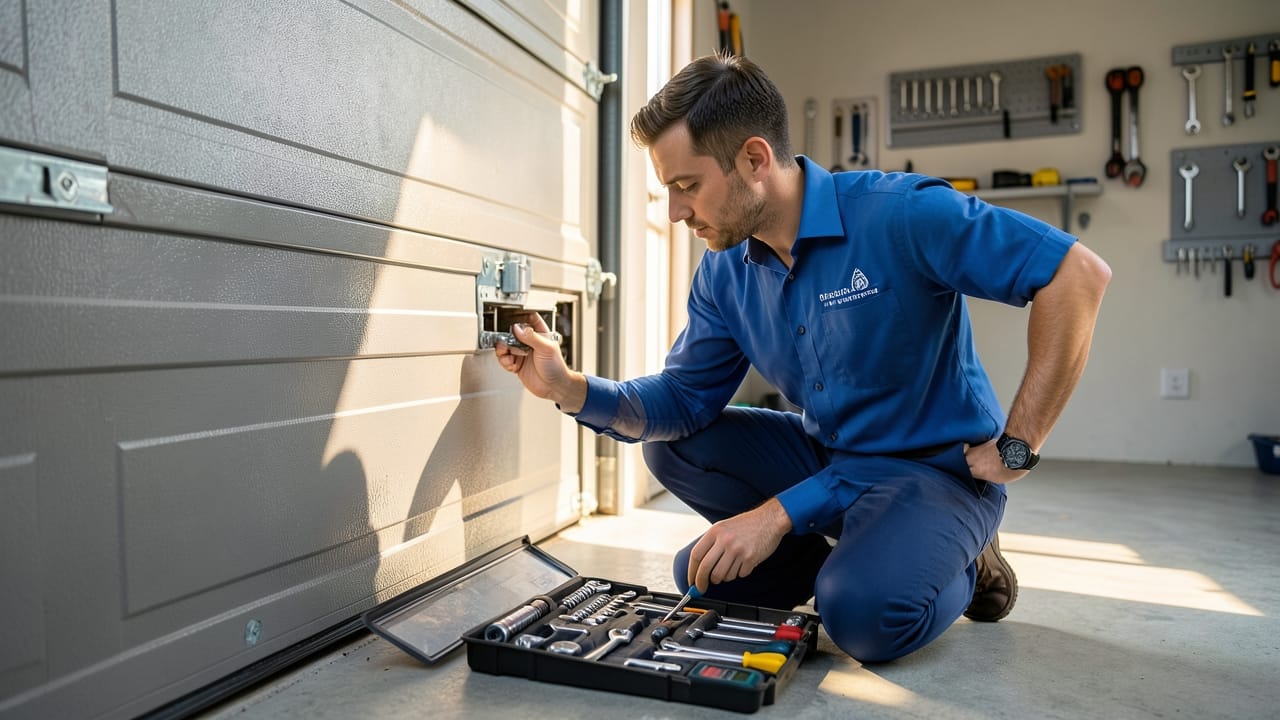
Garage Door Services: What You Really Need to Know About Repair and Installation
After completing over 1000 garage door jobs in this area, I can tell you exactly why the standard advice on common garage door repairs is often dead wrong — and it usually isn’t what most DIY guides suggest. The biggest mistake I see is people ignoring early warning signs or trying to fix complex issues like broken door springs or opener malfunctions without the right tools or knowledge. I’ve been licensed and insured for 10 years, and that context matters when you’re dealing with heavy, tension-loaded components that can be dangerous when mishandled.
Garage door services encompass both repair and installation, addressing issues like broken springs, misaligned tracks, and faulty openers to ensure safety and functionality. Professional installation guarantees proper fit and operation, while timely repairs prevent further damage and enhance security. Understanding these essentials helps homeowners maintain reliable and efficient garage doors.
The Part Most Companies Skip: Why You Shouldn’t Trust Generic Garage Door Repair Tips
Most companies tell you that minor problems like “garage door won’t close” or “garage door remote not working” are simple fixes — usually just a battery swap or sensor cleaning. Here’s what I’ve actually found after 1000+ jobs: these symptoms often mask underlying issues such as a misaligned limit switch or a failing opener motor that, if ignored, end up causing bigger breakdowns and costly emergency calls.
For example, adjusting the garage door opener limit switch isn’t something you want to guess on. I see many DIYers tighten or loosen these settings incorrectly, which can cause the door to reverse unexpectedly or fail to close fully. The opener beeping problem? Often that’s a warning of electrical or sensor faults, not just a low battery. I always recommend testing the entire opener circuit rather than jumping straight to replacing parts.
Trust me, it’s not just about swapping out a broken spring or changing a remote battery. There’s a system at work here — and most guides skip that part.
Signs You Need Garage Door Services: A Diagnostic Checklist
How do you know when to call for professional garage door repair services? Here are the signs I tell every homeowner in this city to watch for:
- Door won’t open or close fully: This usually means sensor issues or limit switch problems, not just a dead remote.
- Loud noises during operation: Broken springs or cable problems often cause grinding or snapping sounds.
- Garage door remote not working: Before replacing the remote, test the wall button and opener motor.
- Door reverses suddenly: This is a red flag for sensor misalignment or wiring issues.
- Opener motor runs but door doesn’t move: Could be broken cables or disengaged trolley.
Notice that many of these signs overlap with potential safety hazards, so don’t ignore them. According to the CPSC, malfunctioning garage door sensors are a leading cause of accidents involving garage doors, so proper diagnosis and repair is critical.
Local Patterns: What Bakersfield’s Climate Means for Your Garage Door
Living in Bakersfield, I see garage door problems influenced by our dry heat and frequent dust storms. These conditions cause a lot of wear on door tracks and sensors. Dust buildup can make sensors dirty and cause false “door won’t close” errors, while the heat accelerates spring fatigue, especially on older Clopay or Wayne Dalton doors common in this area.
Because of this, I recommend a specific garage door maintenance routine here, including monthly sensor cleaning and spring inspections every six months, especially after hot summers. This is not something a company from the coast or another state will necessarily tell you — the desert environment demands it.
How to Fix Garage Door Sensor Problems Without Replacing the Whole System
People often ask me, “How to fix garage door sensor issues quickly?” Before assuming you need new sensors, try these steps I’ve found effective after hundreds of repairs:
- Start by wiping the sensor lenses with a soft cloth to remove dust and spider webs.
- Check for sensor alignment — they must point directly at each other at the same height.
- Inspect wiring along the door track for cuts or loose connections.
- Test the garage door wall button to rule out control wiring problems.
If these don’t solve the problem, it’s time to call for professional garage door sensor repair. I handle these repairs with a 2-year workmanship warranty — that’s not standard everywhere, but I stand behind my work.
Broken Garage Door Spring Replacement: Why Timing Matters
Broken springs are a classic call I get regularly, often in the middle of the night. The short answer: don’t wait. Springs under tension can fail suddenly and cause damage or injury. I’ve seen many people try to “fix garage door won’t close” by jamming the door manually or tying it up — that only makes things worse.
Replacing broken springs usually takes me about two hours for a standard single or double door. I carry parts from Amarr and Clopay, which are the most common brands around here. The DASMA recommends that spring replacement is handled by professionals to comply with safety standards — and with good reason. I’ve done more than 300 spring replacements and always follow OSHA guidelines for overhead spring tension hazards.
The Garage Door Opener Beeping Problem and Motor Replacement Reality
Sometimes the opener motor starts beeping or making unusual noises. The standard advice is to reset the opener or replace the remote batteries. Honestly, that’s rarely enough in my experience. The beeping often signals an internal fault or the motor reaching end-of-life.
Replacing a garage door opener motor isn’t just swapping the unit — it requires calibrating limit switches, syncing remotes, and testing safety sensors. Brands like LiftMaster and Genie have different setups, and I’ve noticed LiftMaster belt-drive models hold up better in Bakersfield’s heat than chain-drive openers.
If you hear a beeping opener or notice sluggish door movement, it’s worth getting a professional opinion rather than buying a new remote or trying to “adjust garage door opener limit switch” blindly. For urgent problems, I’m usually available same-day for emergency garage door repair.
Garage Door Maintenance Tips That Actually Save Money
Here’s the thing: most people don’t realize a little maintenance goes a long way. After 10 years and over 1000 jobs, I’ve seen how regular tune-ups prevent costly breakdowns. These are my top maintenance tips you can do yourself safely:
- Lubricate rollers, hinges, and springs with a spray lubricant twice a year.
- Check and tighten loose bolts and screws on the door and tracks.
- Test the door balance by disconnecting the opener and manually raising the door halfway — it should stay put.
- Clean sensor lenses monthly and keep them clear of obstructions.
- Replace batteries in remotes at least once a year to avoid communication issues.
These simple steps reduce wear and alert you early when a part needs replacing. If you’re curious about what common garage door repair services include, I recommend checking this detailed overview I’ve put together: What are the common types of garage door repair services?
FAQ: What Causes a Garage Door Remote Not Working and How Do I Fix It?
A garage door remote not working can be frustrating. Here are the usual suspects based on what I’ve seen in over 1000 jobs:
- Dead or weak remote batteries — the easiest fix.
- Remote needs reprogramming to the opener after power outages.
- Interference from nearby wireless devices or metal objects blocking signals.
- Worn-out remote buttons that fail to send signals.
- Faulty garage door opener receiver or motor issues.
Start by replacing the batteries and testing the wall button. If the wall button works but the remote doesn’t, try reprogramming it according to your opener’s manual. If you have a LiftMaster or Chamberlain opener, these steps vary slightly. When those don’t help, it’s time for professional troubleshooting — I can usually diagnose and fix these issues within one visit.
For a deeper dive into opener-related problems, this post covers opener motor replacement and troubleshooting thoroughly: Garage Door Services: What You Really Need to Know About Repair, Installation, and Security.
People Also Ask
How often should I have my garage door serviced?
What are common signs my garage door needs repair?
Can I repair my garage door opener myself?
How much does garage door service typically cost?
What maintenance steps can I do to prolong my garage door’s life?
❓ Frequently Asked Questions
Final Thoughts: Don’t Gamble With Garage Door Repairs
Garage doors aren’t just about convenience — they’re a key part of home security and safety. The risks of a malfunctioning spring or ignored sensor can be serious. I back every job with a two-year warranty on labor and provide free estimates upfront. If the repair isn’t worth it, I’ll tell you straight so you’re not stuck paying for something that won’t last.
When you notice your garage door won’t open or close, or the opener starts acting up, don’t wait. Take a few minutes to check the sensors and remotes, listen for odd noises, and watch for sudden reversals. Then call someone who shows up on time, knows the local quirks, and has done this work 1000+ times safely and right.
![The Ultimate [Your Location] Garage Door Services Guide: Timing Your Repairs and Maintenance Right](https://thegaragedoorpros.us/wp-content/uploads/2026/07/the-ultimate-your-location-garage-door-services-gu-featured-400x250.jpg)

0 Comments