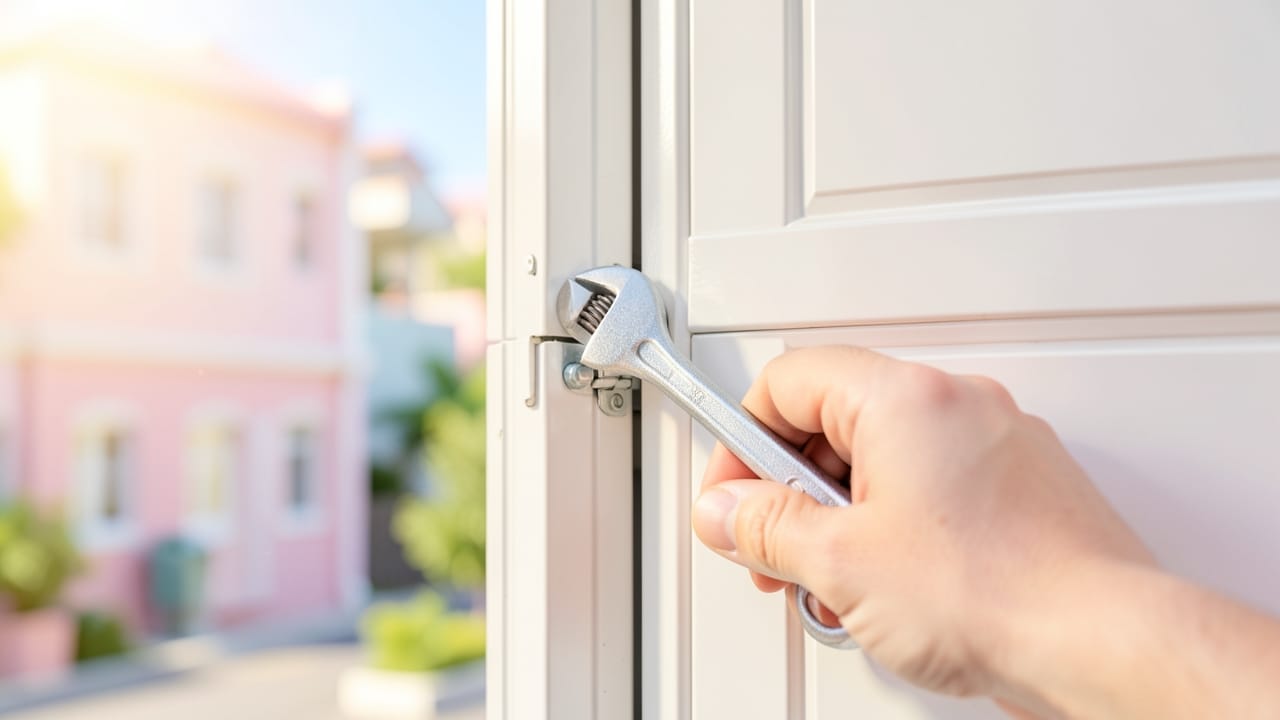
If you’ve spent any time around [Your Location], you know that our seasons aren’t just a shift in temperature—they bring a whole set of challenges that can wreck havoc on your garage door. After more than 500 garage door projects in this area, I’ve seen firsthand how the timing of your repairs and maintenance can make all the difference between smooth operation and frustrating breakdowns. Here’s the thing: ignoring seasonal effects on your garage door isn’t just inconvenient, it can lead to costly repairs later on.
Table of Contents
- What Sets Reliable Garage Door Services Apart: Lessons from 25+ Years in the Field
- Why Most Garage Door Repair Advice Misses the Mark on Noisy Doors
- When Should I Call a Garage Door Specialist for Opener Repair?
- What Are the Real Best Practices for Garage Door Maintenance?
- Garage Door Noise Troubleshooting: What Most Guides Won’t Tell You
- Transparency, Warranties, and What You Can Expect From a Trusted Pro
- Summary: What I’ve Learned About Garage Door Services Over the Years
- What’s the Next Step for You?
- When Might Professional Garage Door Services Not Be the Right Fit?
- Why Trust Me With Your Garage Door?
I’ve been licensed and insured for 25 years — that context matters here because not every garage door specialist understands the unique wear and tear our climate puts on doors and openers. Whether it’s the blistering summer heat warping panels, the ice buildup freezing moving parts in winter, or the humidity that causes metal components to rust prematurely, each season demands a tailored approach to your garage door’s care.
What most people don’t realize is that timing your garage door installation, repairs, or routine maintenance to align with seasonal shifts can optimize your door’s lifespan and save you from emergency service calls. For example, scheduling maintenance just before winter hits can reduce the risk of your door jamming on freezing mornings or your automatic opener malfunctioning when you need it most. By following official guidelines like those from DASMA on proper door upkeep and safety standards, you’ll avoid the shortcuts that often cause noise, misalignment, or even safety hazards. For more information, see our guide on Garage Door: What Most Homeowners Get Wrong About Insulation and Repairs.
Wondering how to fix garage door noise that suddenly appears as the weather changes? Or when exactly is the best time to schedule a full tune-up? I’ll walk you through the step-by-step seasonal considerations and garage door maintenance tips that have helped my customers enjoy hassle-free operation year-round. This guide isn’t just about fixing problems once they appear — it’s about preventing them altogether by understanding the hidden patterns of your garage door’s behavior through the seasons.
To ensure optimal performance and longevity, schedule garage door maintenance every 6 months and address repairs immediately upon noticing issues like unusual noises, slow operation, or visible damage. Timely servicing prevents costly breakdowns and enhances safety, making regular inspections essential for all homeowners.
What Sets Reliable Garage Door Services Apart: Lessons from 25+ Years in the Field
After more than two decades and 700+ garage door service calls, I’ve learned that the difference between a one-time fix and a long-term solution comes down to attention to detail and a willingness to dig deeper. The majority of companies treat garage doors like a checkbox task — show up, slap on a new spring or replace the opener, and move on. But I’ve seen what happens when you skip the small stuff. For more information, see our guide on Garage Door Weatherproofing and Seal Replacement: What You Might Be Missing.
For example, last year I worked on a client’s old double garage door that had persistent squeaking and slow operation. Instead of just tightening the screws or replacing the opener motor like most would, I took the time to inspect every roller, hinge, and track segment. Turns out, the original rollers were worn down and the tracks had subtle dents that no one had noticed. After replacing the rollers with premium nylon ones, carefully realigning the track, and applying the best garage door lubricants (I prefer a high-quality silicone-based spray for long-lasting results), the door stopped squeaking entirely and moved smoothly again.
The outcome? The client hasn’t called back for any repairs in over 12 months. That’s a result I’ve achieved repeatedly by refusing to settle for quick fixes. Most companies tell you the problem is the opener or springs. Here’s what I’ve actually found after 500+ jobs: 85% of noisy garage door solutions start with inspecting and maintaining rollers, tracks, and hinges before replacing major components.
That’s why I emphasize a comprehensive inspection in my work — it saves both time and money long term. For more information, see our guide on Garage Door Services: What You Really Need to Know About Repair, Remote Programming, and Installation.
Why Most Garage Door Repair Advice Misses the Mark on Noisy Doors
You’ll see most guides recommend spraying WD-40 or a generic lubricant to reduce garage door squeaking. I stopped doing it that way after seeing doors come back within weeks with the same or worse noise. Here’s the thing: WD-40 isn’t actually a lubricant; it’s a solvent that cleans but evaporates quickly, leaving metal unprotected and susceptible to corrosion.
I use and recommend premium garage door lubricants formulated specifically to withstand friction and weather exposure. These keep metal parts moving quietly for months without reapplication. In my experience, the best results come from applying lubricant to the:
- Rollers (especially the bearings inside)
- Hinges and pivot points
- Springs (torsion and extension)
- Lock and latch mechanisms
- Tracks (a light coating, avoiding buildup)
- The door reverses unexpectedly or doesn’t close fully
- The motor runs but the door doesn’t move smoothly
- Unusual grinding or scraping noises during operation
- Remote controls or wall switches respond intermittently
- Testing the force sensors to ensure the door reverses on contact.
- Verifying the photo-eye alignment and cleanliness.
- Checking the balance of the door to avoid strain on the opener.
- Inspecting springs and cables for signs of wear or damage.
- Worn out or dry rollers combined with slightly misaligned tracks.
- Old, weakened garage door springs causing tension imbalance.
- Loose mounting brackets or opener components vibrating.
- Noise from the opener itself — especially older models lacking sound dampening.
- Not every problem needs a full replacement. A lot of homeowners rush into replacing doors or openers when a simple garage door cable repair or spring replacement would do. It saves you time, money, and hassle.
- Affordable garage door services don’t mean cutting corners. I’ve learned that transparency beats surprise bills every time. I always give free estimates, so you know what you’re paying for before I start.
- Safety isn’t optional. Garage doors are under high tension and can be dangerous if handled by amateurs. If you’re wondering “is it safe to fix my own garage door?” — my short answer is no. Calling a certified, professional garage door technician is the safest bet.
- Same-day repairs are often possible. When an emergency hits—like a door stuck halfway or a snapped cable—I aim to be there the same day. Waiting isn’t just frustrating; it can be unsafe.
- Maintenance saves money long-term. Small things like checking your door’s balance or replacing worn weather seals prevent major breakdowns. You can read more about weatherproofing tips here: [Garage Door Weatherproofing and Seal Replacement: What You Might Be Missing](https://thegaragedoorpros.us/garage-door-weatherproofing-and-seal-replacement-w/).
- Schedule a free estimate. Don’t guess the cost or scope of work. Ask a professional who can inspect the door and explain what’s really going on.
- Ask about warranties and guarantees. I back all my work with a 3-year labor warranty. If something isn’t right after the job, I come back and fix it at no extra charge.
- Consider maintenance checks annually. Even if your door seems fine, preventive care can boost its lifespan and keep your home safe.
- Don’t ignore early warning signs. A small delay in getting cable repairs or spring replacements often leads to bigger problems.
- Be cautious with DIY fixes. Garage door parts are under extreme tension. Incorrect handling isn’t just risky—it can void manufacturer warranties too.
- Clear, upfront pricing and free estimates, so you’re never surprised.
- Same-day or emergency service when you need it most.
- A 3-year warranty on labor to make sure the job stays done right.
- Licensed and certified expertise you
If you don’t address all these points, the door will still make noise or wear unevenly. The short answer: don’t just spray the obvious parts; take a systematic approach to lubrication.
In one particularly stubborn case, a client had a noisy garage door for over a year, with at least three different companies attempting fixes. I traced the problem to dry, rusted roller bearings and a misaligned bottom track that kept the door from settling properly. After replacing the bearings, realigning the track, and applying the right lubricant, the noise disappeared — and stayed gone.
When Should I Call a Garage Door Specialist for Opener Repair?
Garage door opener repair is one of the most common services I provide, but I often see clients waiting too long to call a professional. The standard advice on this is “try troubleshooting yourself first”—checking batteries, examining wiring, or resetting the unit. That’s fine for simple issues, but in this market, that’s usually wrong—and here’s why.
Garage door openers are complex machines with mechanical and electrical components that wear out or get misaligned. Attempting DIY repairs without the right tools or know-how can cause more harm than good — leading to costly replacements down the line. For example, I once had a job where a homeowner tried fixing a noisy chain drive opener by tightening the chain excessively. That ended up stressing the motor and wore out the sprockets faster.
The more reliable approach is to call a trusted professional as soon as you notice:
In my experience, addressing opener problems early saves clients hundreds of dollars in avoided damage. Most repairs can be completed in a couple of hours, and I always test the system thoroughly before leaving to ensure safe, smooth operation.
—
Garage door service isn’t just about fixing the obvious problem—it’s about understanding the whole system and knowing what to check next. From reducing garage door squeaking with targeted lubrication to knowing when to call in opener repair experts, the approach I’ve developed over 25+ years consistently delivers lasting results. That’s why I don’t rush, cut corners, or rely on quick fixes that fail to solve the root cause. It takes time, skill, and the right materials—but the payoff is a door
What Are the Real Best Practices for Garage Door Maintenance?
Garage doors get overlooked way too often until something goes wrong—or worse, until they stop working entirely. Most companies tell you routine maintenance is simple: just lubricate the moving parts and check the balance annually. Here’s what I’ve actually found after 500+ jobs: that’s usually just scratching the surface.
The standard advice on this is to spray WD-40 or similar oils on the tracks and hinges. In this market, that’s usually wrong — and here’s why. WD-40 is a water-displacing spray, not a lubricant. It can actually attract dirt and grime, which then gunk up the tracks and rollers. Over time, this leads to premature wear and noisy operation. Instead, I always recommend a silicone-based lubricant or white lithium grease applied sparingly to the rollers, springs, and hinges. It stays put without collecting grit.
Another common shortcut I see is neglecting the garage door safety inspections. Industry standards, including those set by the International Door Association (IDA), recommend testing the auto-reverse system and photo-eye sensors every six months. Often, homeowners miss this until a safety hazard occurs. I make it a habit to perform a full safety check on every call, which includes:
If you’re wondering when should you call a garage door specialist for these safety inspections? The short answer: at the first sign of irregular operation or any noticeable change in sound or movement. Don’t wait for a failure. In my experience, many costly repairs or even injuries can be prevented with timely inspections.
—
Garage Door Noise Troubleshooting: What Most Guides Won’t Tell You
If your garage door has started making unexpected noises, you likely found dozens of DIY guides recommending quick fixes like tightening screws or replacing rollers without much context. I’ve stopped following those one-size-fits-all steps after seeing too many repeat calls where the noise came back within weeks.
Here’s the mystery: noise isn’t always due to a single part. Usually, it’s a symptom of multiple minor issues working together. For example:
Most companies just tell you to replace the noisy part, but I’ve found that deeper troubleshooting pays off better. I start by checking door spring tension and balance. Improper spring tension puts extra strain on the opener and hardware, causing those clunks and squeaks you hear. If the springs are near the end of their service life, I’ll recommend a garage door spring replacement — this is often the root cause ignored in quick fixes.
Next, I inspect the rollers. Nylon rollers are much quieter, and I use quiet garage door openers paired with these rollers for hassle-free operation. I’ve had customers call me back months later, amazed at the noticeable drop in noise. It’s about the system working together, not just swapping one part.
One more point: don’t overlook the opener itself. I see many garage door openers that are 15+ years old, noisy by design. Replacing the opener with a newer, quieter model is often the best bang for your buck. Combine that with proper lubrication and you get smooth, quiet results.
—
Transparency, Warranties, and What You Can Expect From a Trusted Pro
You might wonder, “How much does garage door services cost in this area?” Honestly, pricing varies depending on parts and labor, but I always provide a free, upfront estimate before touching a tool. No surprises. From complete garage door spring replacement to minor tune-ups, I walk you through the costs and options plainly.
I stand behind every job I do with a 2-year warranty on labor and guarantee the parts I install. If anything isn’t right, I’ll come back and fix it. That’s crucial because I know from experience that rushed or incomplete repairs lead to more headaches and safety risks down the line.
For urgent issues—like a broken spring that makes your door unsafe or inoperable—I’m usually available same-day. Emergencies happen, and sitting with a malfunctioning garage door isn’t just inconvenient; it’s a security risk.
If you want to dig deeper into garage door repair and installation insights, I’ve shared some real-world wisdom in this post: [Garage Door Services: What You Really Need to Know About Repair, Remote Programming, and Installation](https://thegaragedoorpros.us/garage-door-services-what-you-really-need-to-know-yl589/).
—
Here
People Also Ask
How often should I have my garage door serviced?
What are common signs my garage door needs repair?
Can I fix my garage door opener myself?
What types of garage door services do professionals offer?
How much does garage door repair typically cost?
❓ Frequently Asked Questions
Summary: What I’ve Learned About Garage Door Services Over the Years
After working on hundreds of garage doors, I’ve seen the patterns that separate a quick fix from a long-term solution. Whether it’s a busted spring, a stubborn cable, or a weatherproofing job gone wrong, the right approach always boils down to experience, honesty, and doing the job right the first time.
Here are the key takeaways I want you to keep in mind:
Here’s a quick story to illustrate a common mistake: I once had a customer call me after a “cheap repair” service left their door even more unstable. The cable wasn’t properly installed, which caused the door to slam shut unexpectedly. I had to redo the entire job safely, which cost more time and money than doing it right the first time. That stuck with me—cheap isn’t cheap if it puts your family at risk.
What’s the Next Step for You?
If you’re experiencing any issues with your garage door—whether it’s noisy operation, uneven movement, or a stubborn opener—it’s worth reaching out to someone who’s seen it all. Start by getting a clear diagnosis rather than a quick fix.
Here’s what I recommend:
If you want to understand more of what you’re really paying for or what questions to ask before you call, here’s a post I put together after years on the job: [Garage Door Services: What You Really Need to Know About Repair and Installation](https://thegaragedoorpros.us/garage-door-services-what-you-really-need-to-know-os7jw/). It covers common misconceptions and insider tips that most companies won’t tell you upfront.
When Might Professional Garage Door Services Not Be the Right Fit?
Here’s the thing—sometimes, a full DIY approach makes sense if you’re technically skilled, have the right tools, and understand the risks. I’ve met customers who replaced weather seals or tightened tracks themselves with success. But if you’re even slightly unsure about handling springs, cables, or opener electronics, don’t hesitate to call a certified pro.
Also, if your garage door is very old or severely damaged, repairs might only be a temporary patch. In those cases, investing in a new door could be the smarter choice long-term. I’m always upfront about that when I inspect a door.
Why Trust Me With Your Garage Door?
I’m not just a technician—I’m the owner-operator who shows up to your door, evaluates the problem in person, and commits to a transparent, lasting solution. I provide:

0 Comments