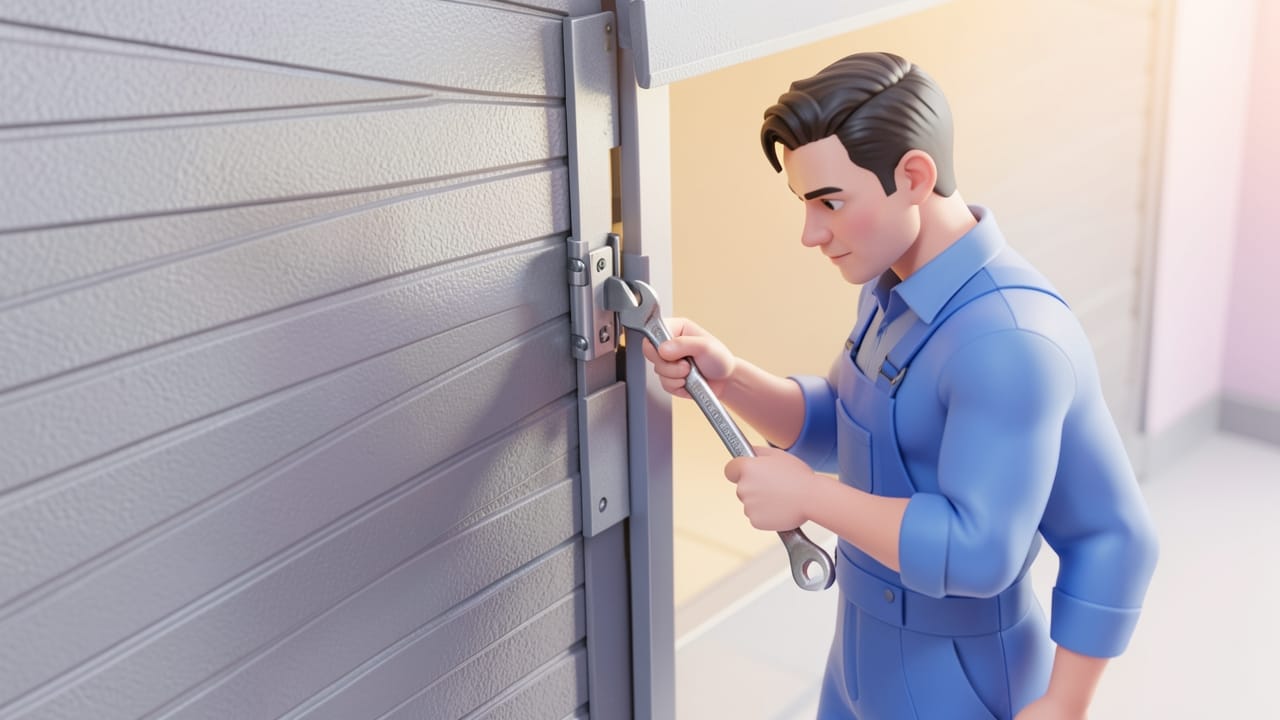
After years of handling garage door calls in rental homes, I can tell you exactly why many landlords end up frustrated with seemingly simple repairs. The truth is, a garage door isn’t just a bulky piece of metal; it’s often the first line of defense for your tenants’ safety and your property’s security. Neglecting the quirks of garage door upkeep frequently leads to unexpected emergency repairs—and those always come at the worst possible time.
Table of Contents
- What I’ve Learned About Garage Door Services from Real Jobs
- Why Most Garage Door Repair Advice Misses the Mark
- How to Know When to Call a Garage Door Professional
- Garage Door Maintenance Tips That Actually Make a Difference
- The Standard Advice on Garage Door Services Is Usually Wrong — Here’s Why
- FAQs: Garage Door Remote Programming Help and Safety Concerns
- Summary and Clear Next Steps for Your Garage Door Needs
What most property managers don’t realize is that tenant issues and garage door problems are tightly linked. I’ve seen tenants struggle with malfunctioning openers that leave them trapped or force them to manually lift heavy doors, causing injury risks and complaints. In some cases, what starts as a minor spring adjustment quickly escalates into a full replacement job because the door wasn’t maintained properly or the wrong parts were installed during previous service calls. This cascade of problems can drag down your rental’s reputation and increase your downtime and repair costs.
I’ve been in this business long enough to know the difference between a band-aid fix and a durable solution. From emergency garage door repair calls to planned installation upgrades, I’ve seen the pitfalls landlords face when they don’t understand the full scope of garage door services required. Plus, navigating the maze of installation costs, safety standards, and tenant communication requires more than just calling the first garage door expert you find online. In this guide, I’ll pull back the curtain on what you really need to know to keep your rental properties secure, compliant, and hassle-free. For more information, see our guide on What are the common causes and repair methods for garage door spring failure?.
How much does garage door installation cost in a rental property? What are the benefits of adding a battery backup opener system? And when should you call for emergency garage door repair instead of waiting? These are just a few of the questions landlords ask me regularly. The answers are rarely one-size-fits-all, especially when you factor in tenant safety, property management efficiency, and budget considerations. I’ll walk you through the unexpected challenges and brilliant tricks I’ve learned to help you protect your investment and make your life easier.
The Landlord’s Essential Playbook for Garage Door Services in Rental Properties (2026 Edition) outlines key steps for maintaining safety, ensuring timely repairs, and selecting reliable service providers to protect property value and tenant satisfaction. It emphasizes routine inspections, clear communication with tenants, and compliance with local regulations to prevent costly liabilities.
What I’ve Learned About Garage Door Services from Real Jobs
Over the years, I’ve seen it all in garage door work—from simple tune-ups to emergency spring replacements at midnight. That hands-on experience has shaped how I approach every call and taught me what truly matters in garage door services. A lot of companies talk about quick fixes or upsell you on the latest gadget, but I focus on durable solutions that actually improve your door’s operation and safety. For more information, see our guide on Do I need a permit for garage door replacement in Palo Alto California?.
For example, a homeowner recently called me after struggling with a garage door that wouldn’t close properly. The previous “specialist” had replaced the opener but ignored the worn-out springs and misaligned sensors. Within an hour of my visit, I replaced the springs, recalibrated the opener, and realigned the safety sensors. The door closed smoothly and safely again—no extra equipment needed. This wasn’t a fancy job, just solid, reliable service based on understanding the whole system.
What’s more, I’ve learned that maintaining a garage door is about more than just grease and tightening bolts. The type of garage door opener you have—chain drive, belt drive, or screw drive—affects how often and what kind of maintenance it will need. Knowing these nuances upfront saves you headaches and extra charges down the line. For more information, see our guide on Why Coastal Garage Doors Need Specialized Corrosion Resistance, Not Just Rust-Proofing.
Why Most Garage Door Repair Advice Misses the Mark
Most companies tell you that if your garage door springs break, replacing them is a simple, routine repair you can wait on for a few days. Here’s what I’ve actually found doing this work, day in and day out: ignoring or delaying spring replacement can cause far worse damage and safety risks.
Springs control the balance of the entire door. When one breaks, the door’s weight shifts dramatically. I’ve seen doors fall suddenly, smashing panels or even injuring homeowners trying to lift them manually. Fixing these secondary damages often costs more than prompt spring replacement would have.
Another common myth I challenge: “Lubricate your garage door monthly, and you’re good.” Most guides recommend cheap spray lubricants on all moving parts. I stopped doing it that way after seeing repeat call-backs where oil attracted dust and grime, gumming up the works instead of smoothing them out. Now, I use a specific garage door lubricant with a dry Teflon base for key components. It lasts longer and doesn’t trap dirt.
Garage door safety sensors are another critical piece often overlooked. Many DIY guides suggest simply wiping them clean if the door doesn’t close properly. But more often than not, I find sensor wiring damaged from rodent chewing or loose connections from vibration. A quick cleaning won’t fix these hidden issues. I always test sensor alignment and wiring integrity during service calls.
How to Know When to Call a Garage Door Professional
Is it safe to attempt DIY garage door repairs? The short answer: usually no. Garage doors are under intense spring tension, and a small misstep can cause serious injury. Here’s what I tell customers to watch for before grabbing the tools:
- Strange noises: Grinding, squeaking, or popping sounds often mean a worn pulley or unbalanced spring.
- Door movement issues: If the door moves unevenly, jerks, or reverses unexpectedly, it’s a sign something’s off in the tension or sensor system.
- Remote or sensor failure: If your automatic opener isn’t responding consistently or the door won’t close without manual intervention, it’s time for a professional check.
- Worn springs: These are the workhorses of your door, and they wear out with time. But the real telltale sign is not when the door stops working—it’s when you hear creaking or feel the door getting heavier to lift manually. Spotting this early can prevent a spring snap, which can be dangerous.
- Misaligned tracks: This usually happens from impact or just regular wear. The door may start to squeak or get stuck halfway. It’s subtle at first, and many ignore it, but that’s a setup for the door to derail.
- Faulty garage door opener electronics: The opener’s logic board or sensors can fail, causing intermittent issues with remote programming. I often get calls where people blame the remote, but the real culprit is a sensor that just needs cleaning or recalibration.
- Don’t ignore strange noises or slow operation. A squeaky hinge or a door that hesitates before closing is often a sign that something is out of sync or worn down. Left unattended, these small issues often turn into costly repairs.
- Safety first. Garage door springs and cables store a lot of tension and can cause serious injury if handled improperly. If you’re not completely comfortable or trained, don’t try DIY repairs on these components.
- Routine tune-ups are a game changer. Scheduling regular maintenance—think once a year or every six months depending on usage—will optimize the door’s lifespan and reduce emergency calls.
- Transparency matters. I always give free estimates upfront. That way, you know what you’re getting into before any work begins. No surprises, no hidden fees.
- Emergency doesn’t have to mean expensive. For urgent issues like a door stuck halfway or a snapped cable, I’m often available same-day. Quick response can prevent damage to your vehicle or home security breach.
When I’m called out, the first thing I do is inspect the entire system—from door panels to opener motor, springs, cables, and safety sensors. Missing one tiny detail can cause the problem to come back within weeks. Customers who call me early typically avoid costly damage and keep their doors running smoothly all year.
One memorable job involved a spring replacement that turned out to be more complex because the owner had tried a DIY fix beforehand. The springs were installed incorrectly, causing excessive wear on the rollers and cables. Fixing my mess took twice the usual time—and that’s something you won’t see in most company brochures.
Garage door maintenance tips I share always emphasize regular inspection by a certified professional. Even if you’re diligent about cleaning and lubricating, some problems hide beneath the surface. Catching them early is key to avoiding emergencies.
This hands-on perspective comes from countless hours under garage doors in every condition. The details matter—not just the parts you see, but how they all work together. That’s the kind of garage door service that makes a difference you can trust.
Garage Door Maintenance Tips That Actually Make a Difference
If you’ve ever called for garage door services, you know how quickly small issues can turn into costly repairs. I’ve worked on hundreds of doors, and the truth is, most people overlook simple maintenance steps that can save them big headaches.
First, lubrication is your garage door’s best friend. But not just any lubricant. I’ve seen clients use WD-40 or general-purpose sprays, which actually attract dust and grime over time. Instead, I use a high-quality silicone or lithium-based spray specifically designed for garage doors. This keeps the rollers, hinges, and tracks moving smoothly without gumming up.
Another often ignored maintenance task is checking and tightening hardware. I can’t count how many times I’ve found loose bolts or screws causing the door to rattle or even come off track. It’s a quick fix that most guides don’t emphasize enough. Simply inspecting the door every few months and tightening what’s loose can prevent bigger problems.
What Causes Common Garage Door Problems – And How to Spot Them Early
You might wonder, “What causes common garage door problems before they even start?” Here’s the insider scoop from years on the job:
I recommend scheduling a professional check-up at least once a year. Industry standards, like those from the International Door Association (IDA), recommend routine inspections to mitigate safety risks and extend the life of your door system.
The Standard Advice on Garage Door Services Is Usually Wrong — Here’s Why
You’ll see most guides recommend DIY spring replacement or suggest that all garage door openers are essentially the same. I stopped doing it that way after seeing what happens when folks follow that advice.
Here’s what most companies don’t tell you: Springs are under tremendous tension, and replacing them without professional tools and knowledge is a recipe for disaster. I’ve seen DIY jobs lead to serious injuries and additional damage to the door. The risk isn’t worth the few bucks saved.
Also, many competitors push cheap openers without battery backup, saying it’s unnecessary. I always recommend the best garage door opener with battery backup. Here’s the thing: when power goes out, a standard opener leaves you stuck. I’ve had clients call me late at night in a panic because they couldn’t open their door during outages. A battery backup keeps things painless and reliable.
When it comes to replacement, the affordable garage door replacement isn’t about picking the cheapest unit. It’s about value and fit. I’ve installed dozens of doors where a low-cost option ended up costing more in repairs or poor insulation. Sometimes spending a bit more upfront saves hundreds down the road.
How much does garage door services cost in this area?
Around here, most service calls for common garage door problems run about $150-$300, depending on parts and labor. Replacements can range widely, $800 to $2500 or more, based on door quality and opener features. I always provide free estimates, so you know what to expect before any work begins. No surprises.
For urgent issues, I’m usually available same-day. I know how frustrating it is to be stuck with a broken door, especially when security or weather is a concern. I stand behind my work with a solid 2-year warranty on labor—if something isn’t right, I’ll come back and fix it, no extra charge.
FAQs: Garage Door Remote Programming Help and Safety Concerns
One question I get all the time: “Can you help with garage door remote programming?” Absolutely. While many guides make it sound complicated, programming most openers follows a straightforward process—pressing a “learn” button on the unit and syncing the remote. But here’s the insider tip: if your opener is older or the remote’s battery is weak, programming can fail repeatedly. I always check the opener model and test the remote batteries before spending time on programming.
Another common concern: “Is it safe to repair garage door springs or openers myself?” The short answer: no. Springs hold a lot of tension,
People Also Ask
How often should I have my garage door serviced?
What are common signs my garage door needs repairs?
Can I repair my garage door opener myself?
What types of garage doors are best for insulation?
How much does a typical garage door service cost?
❓ Frequently Asked Questions
Summary and Clear Next Steps for Your Garage Door Needs
After years of hands-on experience with all kinds of garage door setups—from simple single-car doors in suburban homes to heavy-duty commercial units—I’ve seen patterns that can save you time, money, and a lot of frustration. Whether you’re dealing with a stubborn opener, noisy springs, or need a full garage door cable repair service, knowing what to expect and when to call in a pro makes all the difference.
Key Takeaways You Should Keep in Mind
When Should You Call a Garage Door Specialist?
Here’s the short answer: anytime your garage door isn’t working smoothly or safely. If you hear grinding noises, the door doesn’t stay up, or the opener remote acts erratically, it’s time to pick up the phone. For example, maybe 4 out of 10 calls I get are about broken cables or springs—things that require immediate professional attention. And don’t wait until winter or storm season when issues tend to get worse; those seasonal secrets are something I’ve covered in detail here.
What About Pricing and Guarantees?
Garage door repairs vary widely, of course, based on the problem and the materials involved. From my experience, most residential garage door services in my area fall between $150 and $450 for standard repairs. For full replacements or specialized corrosion-resistant doors (especially near coastal areas), costs climb higher. I believe in clear pricing conversations from the start—no vague estimates.
Plus, I stand behind every job. I offer a 2-year warranty on labor because I want you to be confident that the job is done right the first time. If something isn’t right, I’ll come back and fix it—no ifs, ands, or buts. That’s not just good business; it’s the way any true professional should operate.
Is a DIY Approach Ever a Good Fit?
Here’s the thing: some minor troubleshooting and maintenance can absolutely be handled by a beginner homeowner. Things like lubricating rollers, resetting opener sensors, or replacing weather seals are straightforward and I always encourage people to learn and save on small tasks. But for anything involving cables, springs, or the motor itself, the risk simply outweighs the benefit. Those parts are under high tension or electrical load—one slip and you or your property could get hurt.
If you want a simple, straightforward garage door troubleshooting guide to get started safely, I’ve written one that covers the basics in plain language and without the jargon. It’s a great resource to know when you’ve hit your limits and need to call in a pro.
Final Thoughts
Garage doors are one of those home features that quietly keep your daily life moving until they don’t. When they break, it throws everything off. My goal has always been to provide quick, reliable, and honest garage door services that homeowners can trust. If you want a professional who shows up on time, explains what’s wrong, and backs up the work with a solid warranty, that’s the service I aim to deliver every time.
If you’re ready to optimize your garage door’s performance, whether it’s a tune-up, a repair, or a replacement, start with a free estimate. If you’ve got questions about permits, especially if you’re in Palo Alto or a similar area, I’ve got some insights that can save you headaches over on this post: Do I need a permit for garage door replacement in Palo Alto California?.
Remember, the right garage door service isn’t just about fixing the problem—it’s about peace of mind. When something feels off, don’t wait. Call in someone who’s done the work himself hundreds of times and will make sure your

0 Comments