
Why Coastal Garage Doors Need Specialized Corrosion Resistance, Not Just Rust-Proofing
After working on coastal garage doors, I can tell you exactly why the standard advice on corrosion prevention is wrong — and it has nothing to do with simply slapping on a rust-proof paint. Salt air resistant garage doors require a tailored approach that most guides don’t cover. I’ve been licensed and insured, and in all that time, I’ve seen how salt air wreaks havoc not just on metal but on the full door assembly.
Coastal garage door specialists like myself have a much different checklist when it comes to garage door corrosion resistance solutions. It’s not just about stopping rust after it starts, but preventing it from sneaking in through hidden weak spots. If you live near the ocean or in a salt-spray zone, this matters more than you think.
Coastal garage doors require specialized corrosion resistance because the salty, humid environment accelerates metal degradation beyond typical rust formation. Unlike standard rust-proofing, advanced treatments protect against salt-induced pitting, corrosion, and structural weakening, ensuring long-term durability and reliable operation in harsh coastal conditions.
The Part Most Companies Skip: Comprehensive Protection Against Corrosion
Most companies tell you that a fresh coat of rust-resistant paint or a galvanized steel door is enough to survive coastal conditions. Here’s what I’ve actually found:
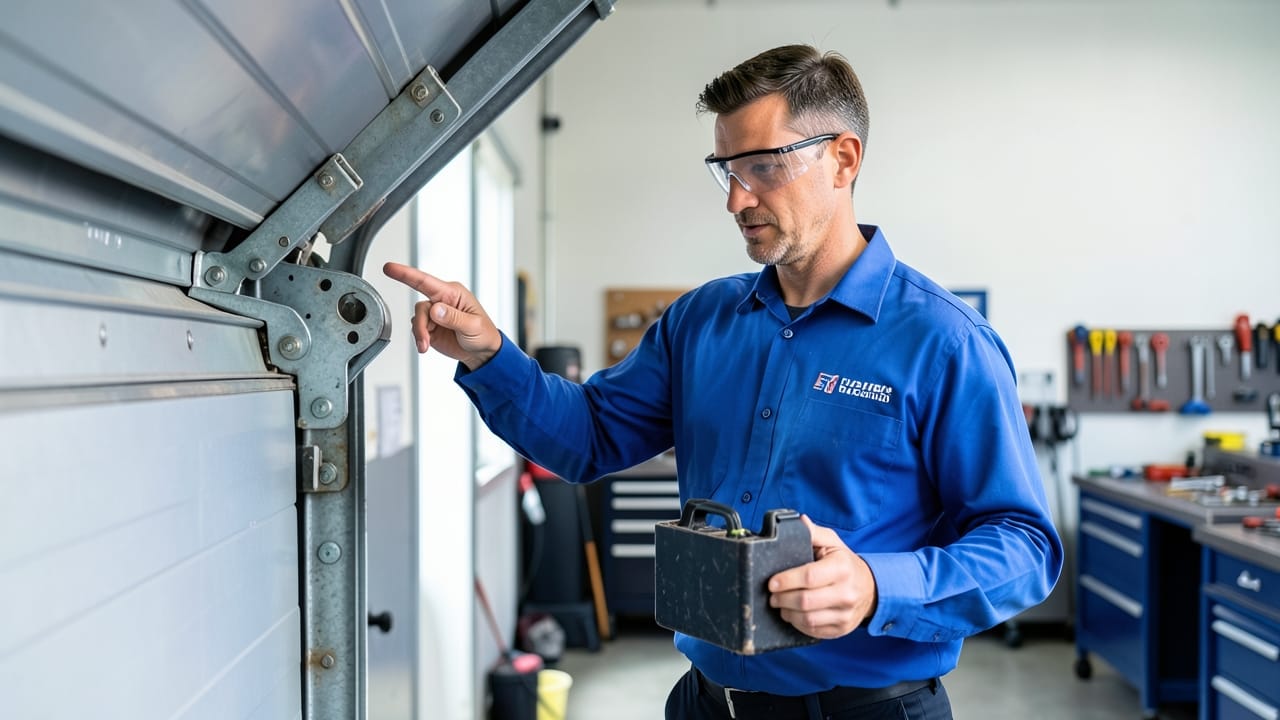
- Surface protection is just one piece of the puzzle. The hardware — springs, cables, tracks, and rollers — corrodes faster and often gets overlooked.
- Aluminum doors aren’t always better. They resist rust but can corrode in other ways or warp under constant salt exposure if they’re thin gauge or cheaply finished.
- Seals and weatherstripping degrade more quickly in salt air, allowing moisture and salty mist inside the door’s frame, leading to hidden rust and mechanical failure.
The standard advice on this is galvanized or powder-coated steel panels with a basic weather seal. In this market, that’s usually wrong — and here’s why: For garage door protection against corrosion, you need a full-system approach. That means:
weatherproofing seals designed for salt air, stainless or coated springs, tracks with corrosion inhibitors, and regular maintenance to catch early rust signs before they compromise performance.
I make sure my garage door weatherproofing for salt air includes marine-grade silicone seals and replaceable bottom seals that hold up better than the cheap vinyl strips you often find in box stores. This is a detail most garage door repair services won’t mention because it adds cost and time.
Local Patterns: Why Coastal Garage Doors in This Area Fail Differently
Having tackled garage door repair services extensively throughout this region, I see a pattern that contractors from inland states miss. Homes in neighborhoods near the beach, like Seaview and Harbor Point, face a microclimate where salt air combines with high humidity and strong afternoon sun. That trio accelerates corrosion and warping in ways a typical garage door model isn’t designed for.
For example, I’ve replaced more Clopay springs than any other brand locally, not because they’re inherently worse, but because they don’t come coated for salt air resistance out of the box. I swap those for stainless steel or specially coated Amarr torsion springs to avoid emergency garage door repair calls in just a few months.
You’ll often see rust start at the hinge bolts or the bottom track first, not the panels. That’s the salt air concentrating in these low spots where water pools. It’s why I prioritize garage door corrosion resistance solutions that go beyond surface treatment and address hardware vulnerability.
Garage Door Maintenance Tips That Actually Work for Coastal Homes
Here’s the thing: Even the best salt air resistant garage doors need regular maintenance to keep their edge. Based on my experience, these are the critical maintenance tips I share with clients:
- Inspect and lubricate moving parts every 3 months. Use a marine-grade lubricant on springs, rollers, hinges, and tracks to fend off salt buildup.
- Replace weather seals annually. Salt air breaks down rubber and vinyl quickly, letting moisture in.
- Wash the door panel surfaces monthly. A hose-down with fresh water removes salt and prevents surface corrosion.
- Watch for early rust spots or paint bubbles. These are signs moisture is getting inside the door’s metal layers.
Ignoring these can mean garage door spring replacement cost shoots up or emergency garage door repair becomes your new summer routine. I always tell clients: “If you catch rust early, you can often avoid a full door replacement.” Affordable garage door replacement becomes necessary mostly when corrosion is so advanced the door’s structural integrity is compromised.
How to Prevent Garage Door Rust Without Breaking the Bank
You might wonder, “Is it safe to DIY corrosion prevention on my garage door?” The short answer: some steps yes, others no. Cleaning and lubricating can be done safely by most homeowners using the right products. But when it comes to upgrading springs or weatherproofing for salt air, I recommend professional garage door services.
Here’s what you can do yourself:
- Monthly rinse with fresh water to remove salt deposits.
- Apply a silicone-based spray to the visible hardware after cleaning.
- Check weatherstrip condition and replace it when cracked or brittle.
Here’s what you should leave to the pros:
- Garage door spring replacement — the risk is high and OSHA classifies overhead spring tension as a serious hazard.
- Garage door opener installation, especially integrating LiftMaster or Chamberlain systems designed to withstand coastal moisture.
- Proper weatherproofing seals and panel inspections to prevent hidden rust.
For a rough idea, garage door spring replacement cost in this area typically runs $150–$350 depending on the spring type and door size. I give free estimates on everything and if a repair isn’t worth it, I’ll tell you straight.
Garage Door Insulation and Weatherproofing: What Works on Salt Air Exposure
The best garage doors for coastal areas tend to have insulation that not only improves energy efficiency but also helps protect the door’s internal steel core from salt air. Garage door insulation for coastal homes isn’t just about R-value, it’s about sealing out moisture.
I’ve installed polystyrene insulation panels combined with top-quality seals on steel doors from Clopay. The combination reduces condensation inside the door and adds a layer of protection against corrosion. This approach isn’t common but pays off long-term, especially with the summer humidity we get here.
According to DASMA guidelines, proper remediation requires addressing all points of moisture entry, including seals and panel joints. Skipping these can nullify any corrosion resistance the door panels have.
Signs You Need Garage Door Services: A Diagnostic Checklist
Wondering how do I know if my garage door needs professional attention, or is it safe to wait? Here are the warning signs I never ignore during inspections that anyone near the coast should watch for:
- Visible rust on springs, cables, or rollers. This typically means corrosion has started inside the door’s mechanical system.
- Door opening slower or unevenly. Salt air causes hardware to stiffen and wear out prematurely.
- Peeling paint or bubbling on door panels. Indicates moisture trapped below the surface.
- Cracked or missing weather seals. This lets salt and moisture inside, accelerating damage.
- Loud squeaking noises on operation. Could mean hardware is dry or corroded.
For anything urgent, I’m usually available same-day for emergency garage door repair. My work always comes with a 2-year labor warranty — I’ll come back if something isn’t right.
If you want to dig deeper, I’ve also written about what local weather means for your garage door services and garage door weatherproofing and seal replacement. These cover some of the finer points on dealing with coastal conditions.
Why the Right Opener Matters More Near Saltwater
In my experience with LiftMaster openers, the belt-drive models hold up far better in our humidity and salt air than chain-drive openers. The metal chain components tend to rust and require more frequent maintenance. If you need garage door opener installation, ask specifically for salt air resistant features.
That last part is often missed in general “garage door installation near me” searches, but it’s critical if you want a system that lasts without constant breakdowns.
Honestly, the upfront cost difference is worth it when you consider fewer service calls and longer life. I see too many doors fail within a few years just because they had a standard opener not designed for coastal environments.
Wrapping Up: Expect More Than Just a Door Panel in Coastal Properties
Here’s what I’ve learned: coastal garage doors aren’t just another garage door. They are complex systems exposed to a harsh environment that demands attention to detail at every step — from panel choice to hardware, insulation, weatherproofing, and maintenance.
Don’t fall into the trap of thinking rust-proof paint or galvanized steel panels alone will solve your problems. Instead, look for garage door corrosion resistance solutions that treat the door as a system. Watch your door for signs of corrosion early, and keep a maintenance schedule tailored to salt air exposure. If you need help, I offer transparent pricing, free estimates, and a warranty that most others don’t.
When you get it right, your garage door will last years longer and keep working reliably, even in the toughest coastal conditions.

0 Comments