Why Trying to Garage Door Myself Hire Often Costs More Than Hiring a Pro
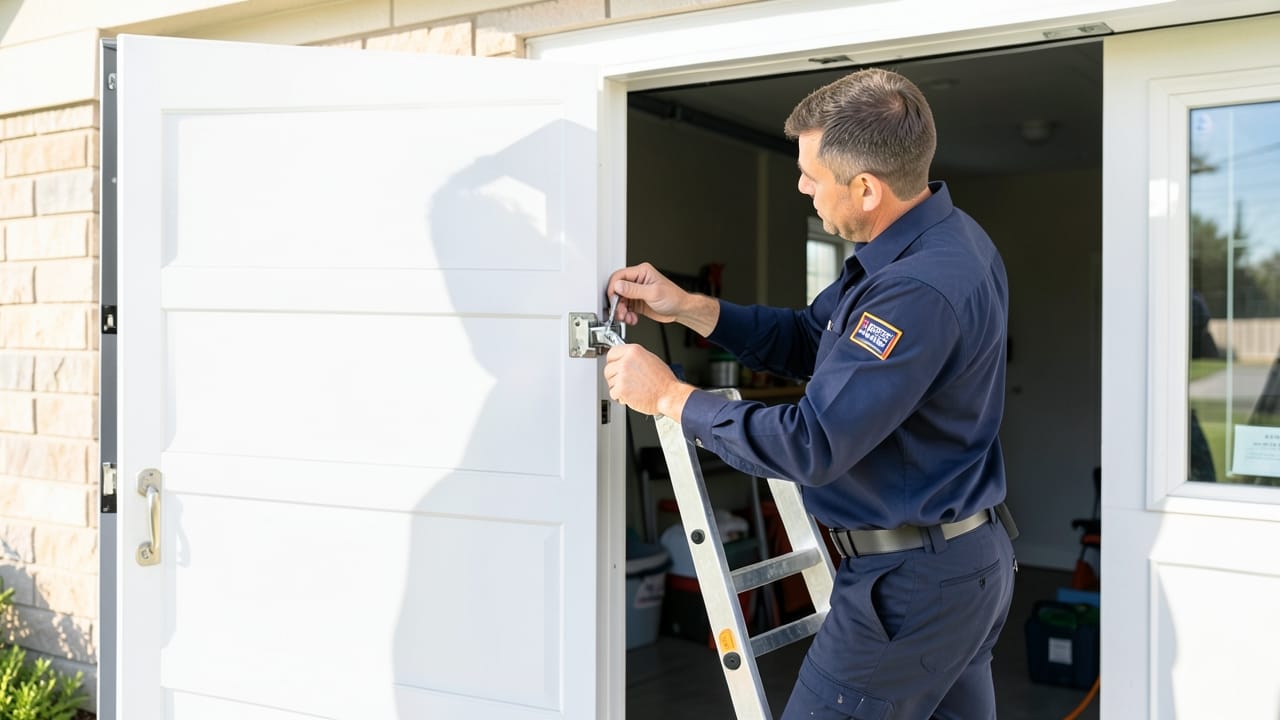
We handle garage door repair services all the time, and the mistake our technicians see over and over is homeowners trying to fix their garage door themselves without the right tools or know-how. This usually turns what could have been a quick, affordable fix into a costly emergency garage door repair. Our technicians are licensed and insured and have years of combined experience on these systems—that context matters here. When you think about garage door myself hire, the short answer is that cutting corners often adds up, especially with components like springs or cables that are under extreme tension.
Attempting to repair or install a garage door yourself often leads to costly mistakes, safety risks, and inefficient use of time, which can result in higher expenses than hiring a professional. Experts have the proper tools, experience, and knowledge to ensure the job is done correctly and safely the first time, ultimately saving money and preventing damage.
The Part Most Companies Skip When Advising DIY Repairs
Most companies tell you DIY garage door repair is a great way to save money, encouraging you to learn how to fix garage door myself with YouTube videos or basic guides. Here’s what our crews actually find doing this work, day in and day out: many DIY repair attempts miss subtle signs of door misalignment, worn rollers, or damaged panels that only a thorough garage door safety inspection will catch. These oversights often lead to bigger issues like broken springs or opener failure. For example, garage door spring repair cost varies widely but ignoring a warning can mean paying two to three times more for emergency spring replacement later. The standard advice to “just replace the broken spring” is usually wrong—often, the entire spring system or cables need inspection and possible replacement to prevent immediate failure again.
Local Weather and Wear Patterns Change What You Should Watch For
In our region, humidity and temperature swings accelerate corrosion, especially on metal parts like springs, cables, and hinges. Our technicians replace more Clopay springs than any other brand around here, not because they fail more, but because that’s what builders spec’d in the 90s, and many haven’t been updated since. This means garage door cable replacement service is common, and wear often happens unevenly, causing premature failure on one side that DIY guides don’t account for. Also, the dust and pollen here clog the garage door opener’s motor housing, leading to frequent LiftMaster and Chamberlain opener troubleshooting calls.
What a Fair Price Actually Looks Like Here for Affordable Garage Door Replacement
Affordable garage door replacement is a moving target, but I’d say most full-panel replacements range between $700 and $1,200 depending on door size, panel design, and insulation. Labor and installation from a professional garage door installation company add to that, but it typically ensures the job is done right the first time. We give free estimates on everything, and if it’s not worth fixing, we’ll tell you that straight. Everything we do comes with a 2-year warranty on labor—that’s not standard in this industry.
- Standard single-car door panel repair specialists usually charge between $150-$300 per panel replaced.
- Garage door spring repair cost here starts around $150 for a single spring replacement but can go higher depending on spring type.
- Emergency garage door repair calls have a premium but are often covered by a flat-rate emergency fee.
Signs You Need Garage Door Services: A Diagnostic Checklist
Knowing when to call or try how to fix garage door myself can save you headaches. Here are the warning signs we look for during garage door maintenance tips sessions that anyone can check before things get worse:
- Unusual noises when opening or closing, especially grinding or snapping sounds.
- Door doesn’t open/close smoothly or stops midway.
- Visible fraying or slack in cables hanging alongside the door.
- Broken or cracked panels showing dents or warping.
- Garage door opener struggling or not responding to remote commands.
- Door doesn’t stay in position when manually lifted or released.
For opener issues, we recommend checking your model’s manual—brands like Genie or Wayne Dalton have specific belt vs. chain-drive troubleshooting tips. Our post Can I Repair a Broken Garage Door Opener Myself? covers this in detail.
The Risks of Skipping a Professional Garage Door Installation
We see lots of DIY installation attempts that result in unsafe setups—uneven mounting, misaligned tracks, or inadequate spring tension. The DASMA recommends that garage doors meet strict safety and performance standards, including UL 325 for automatic door openers. When these aren’t followed, it’s usually only a matter of time before emergency garage door repair calls come in. Professional garage door installation isn’t just about speed; it’s about correctly sizing springs, calibrating opener force, and ensuring safety sensors work properly. Our crews have found many DIY installations compromise those steps, leading to door failures or worse—injuries.
Emergency Garage Door Repair: What You Can Do Quickly and Safely
If your garage door won’t open or is stuck halfway, the first step is to disengage the opener by pulling the emergency release cord. This lets you open the door manually, but only if the springs and cables aren’t damaged. If you see snapped springs or hanging cables, don’t try to lift the door—it can be extremely dangerous. We usually recommend locking the door manually and calling for emergency garage door repair services, especially if you’re unsure about the problem.
Our team is usually available same-day for urgent calls, and we’ll come back to double-check any repair if something isn’t right. This kind of responsiveness is how we stand behind our work.
Is It Safe to DIY Garage Door Repair? When You Should Hire a Pro
Honestly, the short answer is that DIY garage door repair only makes sense for minor fixes like tightening loose bolts or lubricating rollers. When it comes to springs, cables, or opener wiring, the risks outweigh the savings. Garage door spring repair cost here often surprises homeowners because it requires special tools and safety precautions. The Occupational Safety and Health Administration (OSHA) classifies overhead spring tension as a recognized workplace hazard, which is why only licensed professionals should handle it.
Should I hire garage door technician? If you’re asking that question, the answer leans toward yes. Our crews have the experience to spot hidden damage during a garage door safety inspection that DIY guides can’t cover. Plus, we use genuine parts from trusted brands like LiftMaster and Chamberlain, which tend to hold up better in our local climate than cheaper alternatives.
Three Questions You Should Ask Before Deciding to Garage Door Myself Hire
- Do I have the necessary tools and safety equipment to handle springs or cables?
- Can I accurately diagnose the underlying issue, or am I just fixing symptoms?
- What’s the potential cost if my repair attempt causes more damage or injury?
Answering these honestly can save you a lot of trouble. For example, guessing on garage door panel repair specialists’ needs often leads to ordering wrong parts, delaying the job further and adding to replacement costs.
Further Resources and Reading
If you want a deeper dive into garage door maintenance tips or how to keep your system running smoothly, our post What Garage Door Specialists Know About Keeping Your Door Running Smoothly shares real-world insights. And for renters or landlords, How to Select Reliable Garage Door Services for Your Rental Properties highlights what compliance and safety inspections must cover.
FAQs About Garage Door Myself Hire
How do I know if I can fix my garage door myself safely?
If your repair involves anything under high tension like springs or cables, or electrical components like openers, it’s safer to hire a professional. Simple lubrication and tightening loose bolts are usually safe to DIY.
What causes most garage door failures?
Most failures come from worn springs, frayed cables, misaligned tracks, or opener motor burnout. The DASMA recommends scheduled maintenance to catch these before failure.
When should I schedule a garage door safety inspection?
We recommend inspections annually or after any unusual door behavior, especially if you notice noises or uneven movement.
0 Comments